Literally
When words stop meaning what they mean

We gathered for a curated, bespoke dinner—an elevated, authentic experience that was, quite literally, awesome.
I no longer know what those words mean.
It hurts to write such a sentence. I do it here to grab your attention so that you will read this iconic, dare I say epic, essay.
I’ll stop now.
As a writer who strives to, and sweats over, finding and using words that carry precise emotional and intellectual weight, it pains me to watch some of the tools of my trade lose their heft, their edge, their usefulness. It hurts to watch these small, incremental (and cumulative) betrayals of language.
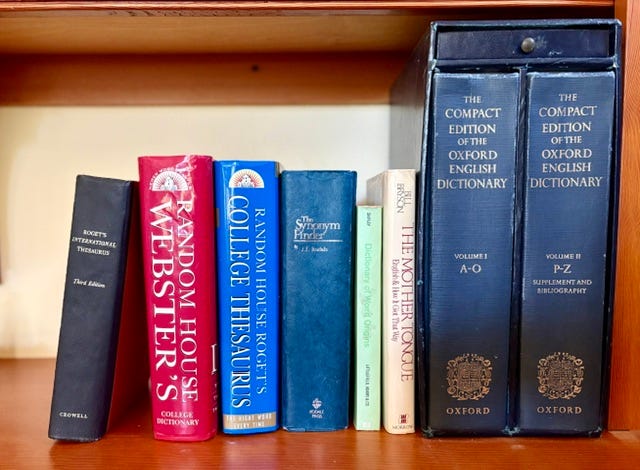
Let’s take a look, shall we?
Bespoke. A word with a lovely linguistic history (hand-tailored suits from Savile Row) that implied an intimate relationship between maker and buyer. It has now devolved into a bloated buzzword slapped onto mass-produced items to add a veneer of pretentious luxury (and a higher price tag).
Literally. Don’t. Get. Me. Started. It is now a generic intensifier, a filler word, instead of indicating something that happened exactly as described. “I literally died.” Really? Then I guess you’re not here to utter this sentence, are you?
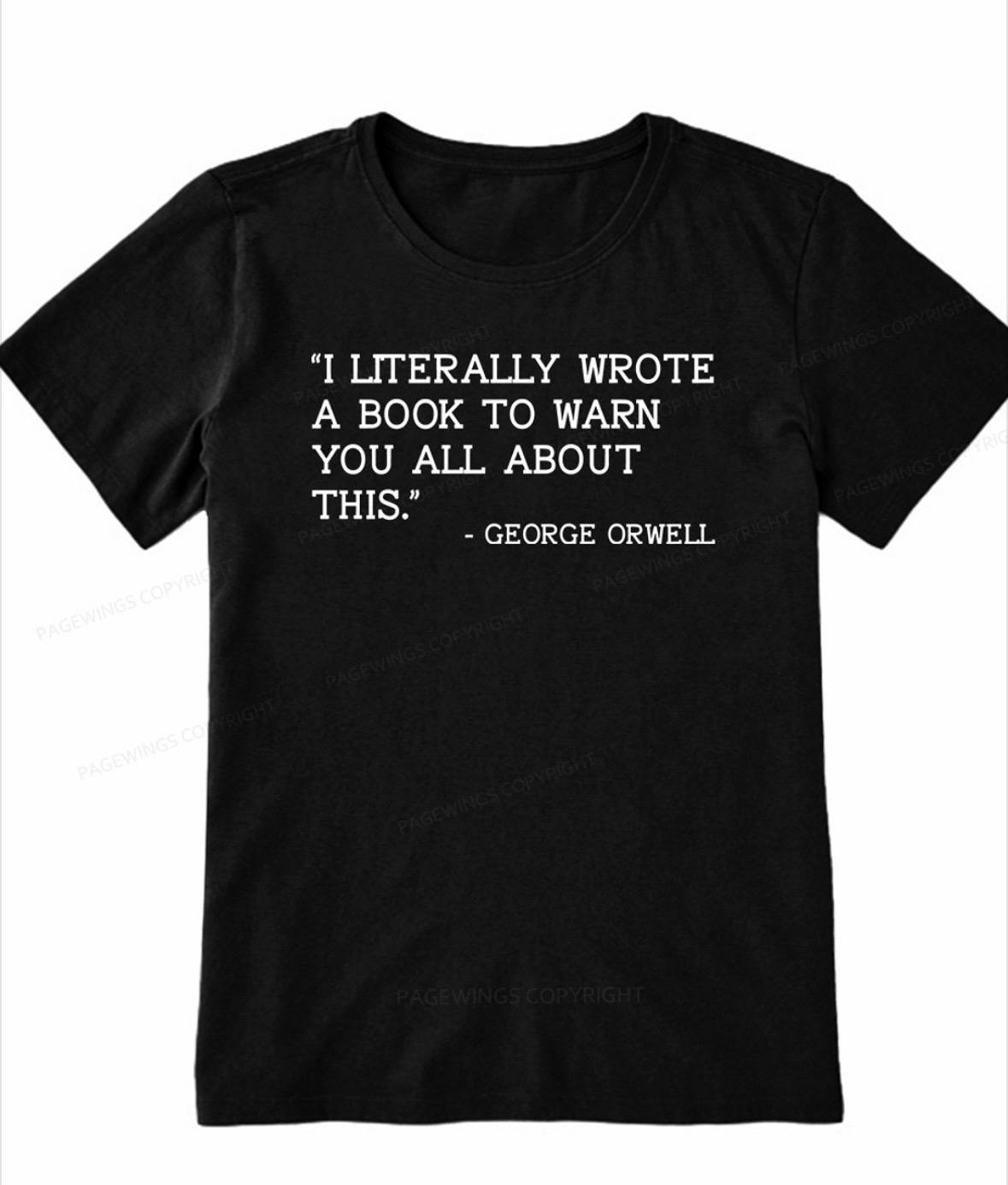
Perfect (and pun-y) use of the word “literally.
Curated. Museum collections are carefully, thoughtfully, expertly selected. That is: They are curated. Now curated is used to refer to most any collection, a fancy word for “we picked stuff for you,” the “we” probably an algorithm. Is your Spotify playlist expertly curated? I think not.
Luxury. Once rare enough to mean something (craftsmanship, exclusivity) we now have—oh yes we do--“luxury vinyl flooring,” which is a composite of polyvinyl chloride, limestone dust, Dioctyl Terephthalate, and Benzoate Esters. Sink into the luxury of that, why dontchya?
Awesome. A word long drained of its awe and reverence. If finding a convenient parking spot is deemed “awesome” does that mean this bit of luck was inspired by something vast and powerful that challenges our understanding of the world? When is the last time you felt something gasp-worthy and magical—but had no word left for it?
Artisanal. What it used to mean: Made by the hands of a trained craftsperson (or in a small workshop) that depended on local materials and generation-spanning methods, no two items being exactly alike. What it means now: Nothing. Sara Lee Artesano is thick-sliced white bread dusted with flour to mimic a bakery loaf. It is mass-produced in centralized commercial factories. And then there are Tostitos Artisan Recipes tortilla chips.
Game changer. True game changers fundamentally rewrite the script, whatever that script might be, making the previous reality obsolete. Think smart phones. Or antibiotics. CRISPR, generative AI, GLP-1. But not, for example, that “game-changing” new refrigerator that is the old refrigerator with a tiny chip that performs the same tasks (but now you need a smart phone).
Epic. A small word that used to pack a wallop, it referred to something vast, grand, heroic, legendary. Now it’s used to describe a good burrito.
We have leveled the peaks of these once mighty words. We have made them ordinary.
I know I am way too late to the party to save “awe.” I wish I could. I am in awe of the clouds at 30,000 feet, of just about every Mary Oliver poem, of the lightning-quick language acquisition of a two-year-old. But the word no longer expresses the wonder and amazement.
I want that word back. It would be epic. A literal game-changer.
OMG….all of my pet peeves. You can add “totally” to that list. Or “absolutely”, both of which I sadly find myself using now and then.
RAD